Broken Dental Bridge Emergency Dentist Panama City, FL
A Broken Dental Bridge Can Quickly Disrupt Your Daily Life
A dental bridge is designed to replace one or more missing teeth by connecting an artificial tooth to supporting teeth or other dental structures.
When a bridge becomes damaged, loose, or partially detached, it can affect chewing, speaking, and confidence in your smile. The situation may also expose supporting teeth to additional stress.
Some people initially notice that their bridge feels different when biting. Others discover a visible crack or notice that an artificial tooth has separated from the restoration.
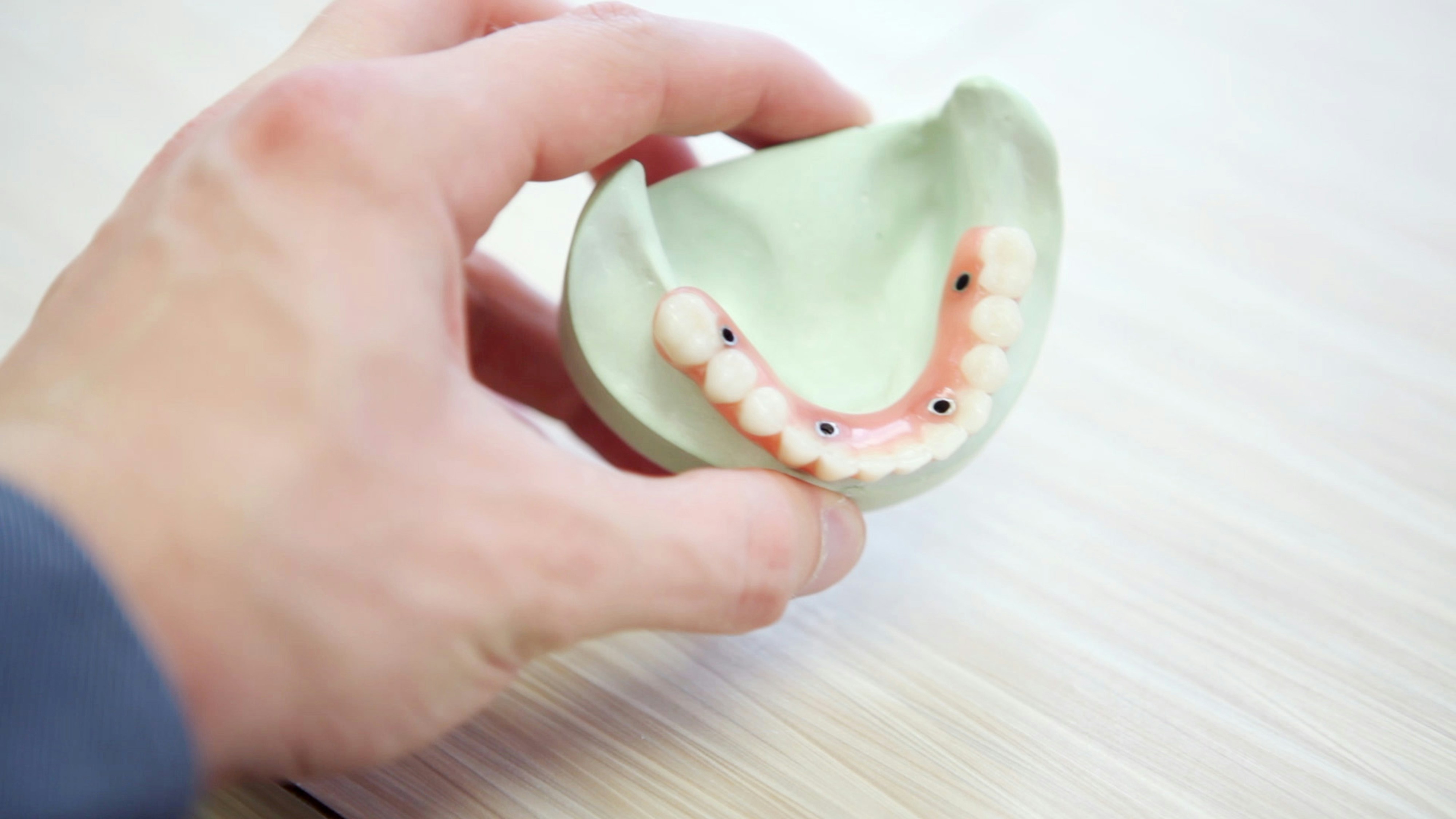
Regardless of how the problem appears, a damaged bridge should be evaluated by a dental professional.
If you are in Panama City, Florida, it can help you check third-party emergency dental appointment options by calling (877) 462-0628.
What Can Cause a Dental Bridge to Break?
A dental bridge may last for many years, but it is not immune to damage.
Several factors can contribute to a broken or unstable restoration.
Excessive biting pressure: Regularly biting hard objects, chewing ice, or placing unusual force on the bridge may contribute to structural damage.
Wear over time: Repeated chewing forces can gradually affect the materials and supporting components of a restoration.
Decay around supporting teeth: Tooth decay near the margins of a bridge may weaken the teeth that hold the restoration in position.
Changes in supporting teeth: Fractures, gum disease, or other changes involving the supporting teeth may affect bridge stability.
Previous restoration damage: A bridge that has already experienced damage or repair may require additional attention.
A loose bridge may also resemble a problem involving a supporting tooth or the surrounding gum tissue. An examination is necessary to identify the actual cause.
What Should You Do If Your Dental Bridge Breaks?
A broken bridge can create sharp edges or expose sensitive areas. Avoid putting unnecessary pressure on the affected restoration while arranging professional care.
Consider these precautions:
Stop chewing on the affected side.
Avoid sticky foods that may pull on the restoration.
Stay away from hard foods that require forceful biting.
If the bridge becomes completely detached, place it in a clean container.
Avoid attempting to permanently reattach the bridge yourself.
Do not use household glue or other adhesives.
Keep the surrounding area clean with gentle oral hygiene.
Contact a dental professional for instructions.
If a sharp edge is irritating your cheek or tongue, temporary dental wax may provide protection while you arrange an appointment.
Do not ignore a supporting tooth that has become painful, loose, or visibly damaged.
What Dental Treatments May Be Available for a Broken Bridge?
The appropriate treatment depends on the bridge's condition and the health of the supporting structures.
Potential options include:
1. Bridge repair
If the damage is limited and the restoration remains structurally suitable, a dentist may determine that repair is possible.
2. Bridge recementation
If the bridge has detached but remains intact and the supporting teeth are healthy, the dentist may consider cleaning and recementing it.
3. Replacement dental bridge
A severely damaged or poorly fitting bridge may need to be replaced with a new restoration.
4. Treatment of supporting teeth
If decay or fractures affect the teeth holding the bridge, restorative treatment may be required before a new bridge can be placed. Depending on the condition, a filling, crown, or root canal treatment may be considered.
5. Dental implants or removable prostheses
If the supporting teeth cannot be preserved, alternative tooth replacement options may include dental implants or removable partial dentures.
Not every option will be appropriate for every patient. A dental professional must assess the restoration and supporting structures before selecting treatment.
Find Emergency Dental Appointment Options Near Panama City
When a dental bridge breaks unexpectedly, finding a provider who evaluates restorative problems can save time.
EmergencyDentistPanamaCity.com helps callers check third-party emergency dental appointment options serving Panama City and surrounding Bay County communities.
Call (877) 462-0628 and explain:
Whether the bridge is cracked, loose, or completely detached.
How many teeth the bridge replaces.
Whether any supporting teeth are uncomfortable.
Whether you still have the detached restoration.
Your current location and travel limitations.
The connection service covers Panama City, Panama City Beach, Lynn Haven, Callaway, Springfield, Upper Grand Lagoon, Lower Grand Lagoon, Parker, Southport, Mexico Beach, Youngstown, Tyndall AFB, and Inlet Beach.
Before leaving for an appointment, confirm that the receiving office evaluates broken bridges and can accommodate your situation. Ask about the examination fee, appointment time, and any additional charges.
Do Not Delay Evaluation of a Damaged Dental Bridge
A broken dental bridge may affect more than the appearance of your smile. It can also expose supporting teeth to additional damage and make everyday chewing difficult.
A timely examination can help determine whether the existing bridge can be repaired, needs replacement, or requires treatment of the supporting teeth.
If you are searching for emergency dental appointment options in Panama City, call (877) 462-0628 during the connection service's operating hours.
Disclaimer: This article provides general information only and should not be construed as professional medical or dental advice, diagnosis, or treatment. Always consult with a licensed dentist or healthcare provider regarding any dental emergency or medical condition.
