Dental Implant Crown Problems in Panama City? Find Emergency Dental Appointment Options
Dental Implant Crown Problems Require Professional Evaluation
Dental implants are designed to provide a stable foundation for replacement teeth. However, the visible crown attached to an implant can sometimes develop problems that require professional attention.
You may notice that the crown feels loose, moves slightly when chewing, or appears different from its original position. In other situations, the crown may develop a crack or become detached from its supporting component.
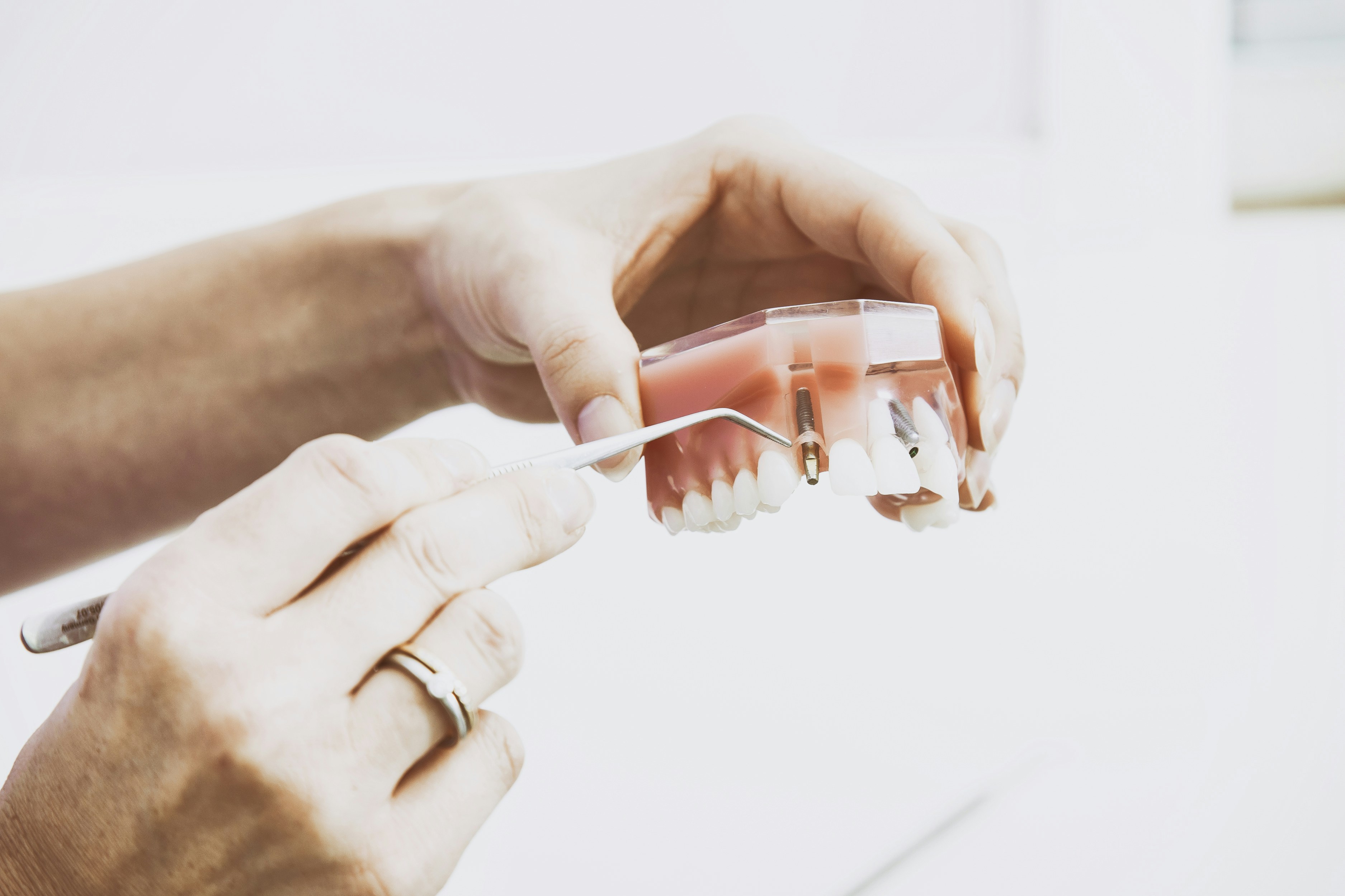
These problems should not automatically be treated as an implant failure. A loose crown, damaged connecting component, and problem involving the implant itself are different situations requiring different evaluations.
If you are experiencing implant crown problems in Panama City, Florida, finding an appropriate dental provider should be a priority.
Emergency Dentist at Panama City helps callers check third-party dental appointment options. Call (877) 462-0628 to request assistance.
Why Might an Implant Crown Become Loose or Damaged?
An implant restoration consists of several components, and a problem involving one part can affect how the entire restoration functions.
Possible explanations include:
A loose retaining screw: In some implant systems, the screw connecting the crown to the implant may loosen over time.
Crown damage: The artificial tooth may crack, chip, or fracture because of biting forces or accidental damage.
Bite-related pressure: Uneven chewing forces or teeth grinding may place excessive stress on the restoration.
Problems involving the implant connection: Changes or damage involving the connecting components may affect stability.
Peri-implant inflammation: Inflammation involving the gum and tissues surrounding an implant may require evaluation and treatment.
These possibilities cannot be distinguished reliably through appearance alone. A dentist may need to examine the crown, connection, surrounding tissues, and implant stability.
What Should You Do When Your Implant Crown Feels Loose?
Avoid attempting to tighten or reposition the restoration yourself.
Until a dental professional evaluates it, consider these precautions:
Avoid chewing hard foods with the affected implant.
Stop using the implant to bite into particularly firm foods.
Do not repeatedly move the crown with your tongue or fingers.
Avoid household adhesives or temporary permanent-fix products.
If the crown becomes detached, keep it in a clean container.
Maintain gentle oral hygiene around the area.
Contact a dental provider and describe the movement or damage.
If you notice swelling, drainage, bleeding, or changes in the surrounding gum tissue, mention those symptoms when requesting an appointment.
A crown that appears loose may be a component problem rather than a problem with the implant itself. Professional assessment is necessary before drawing conclusions.
What Treatments Might Be Considered for an Implant Crown Problem?
Treatment depends on which component is affected and whether the implant and surrounding tissues remain healthy.
A dentist may consider several possibilities:
1. Tightening or replacing a connecting screw
If the problem involves a loose retaining screw, a qualified provider may be able to assess and correct the connection.
2. Crown repair or replacement
A cracked or damaged implant crown may require repair or replacement, depending on the material, location, and extent of damage.
3. Restoration of the implant connection
If an abutment or other connecting component is damaged, the dentist may recommend replacing the affected component.
4. Treatment of peri-implant inflammation
If the surrounding gum tissue is inflamed, professional cleaning, periodontal treatment, or other implant-specific procedures may be considered.
5. Further implant treatment
If the implant itself has a significant complication, the provider may discuss more extensive management, including surgical evaluation or replacement options when appropriate.
The dentist must establish whether the issue involves the crown, connecting components, or implant before recommending treatment.
Find Dental Appointment Options in Panama City, Florida
Implant complications can be difficult to evaluate without the proper equipment and clinical experience. It is important to explain that you have an implant restoration rather than simply describing it as a loose tooth.
Emergency Dentist in Panama City, FL provides an independent connection service that helps callers check third-party dental appointment options.
Call (877) 462-0628 and share the following information:
Whether the implant crown is loose, cracked, or detached.
When you first noticed the problem.
Whether you have swelling or bleeding around the implant.
Whether the implant was placed recently or several years ago.
Your current ZIP code and preferred travel distance.
The service covers Panama City, Panama City Beach, Lynn Haven, Callaway, Springfield, Upper Grand Lagoon, Lower Grand Lagoon, Parker, Southport, Mexico Beach, Youngstown, Tyndall AFB, and Inlet Beach.
Ask whether the receiving dental office evaluates implant complications and whether it has experience with the specific type of restoration involved.
Confirm the appointment, examination fee, and office address directly with the provider before traveling.
Get Your Implant Crown Checked Before the Problem Progresses
A loose or damaged implant crown should not be ignored. Even if the implant itself remains stable, a damaged restoration may affect chewing and place additional stress on the connecting components.
Professional evaluation can help identify the problem and determine whether the crown, abutment, screw, or surrounding tissues need attention.
If you are in Panama City or nearby Bay County communities, call (877) 462-0628 during the connection service's operating hours to check third-party dental appointment options.
Disclaimer: This article provides general information only and should not be construed as professional medical or dental advice, diagnosis, or treatment. Always consult with a licensed dentist or healthcare provider regarding any dental emergency or medical condition.
