
Knocked-Out Tooth in Panama City, FL? Get Immediate Dental Help
What to Do in the First Few Minutes After Losing a Tooth
A tooth can be knocked out during a sports activity, a fall, a vehicle accident, or an unexpected impact to the face. If this happens in Panama City, Florida, it is important to act quickly—especially when the missing tooth is a permanent adult tooth.
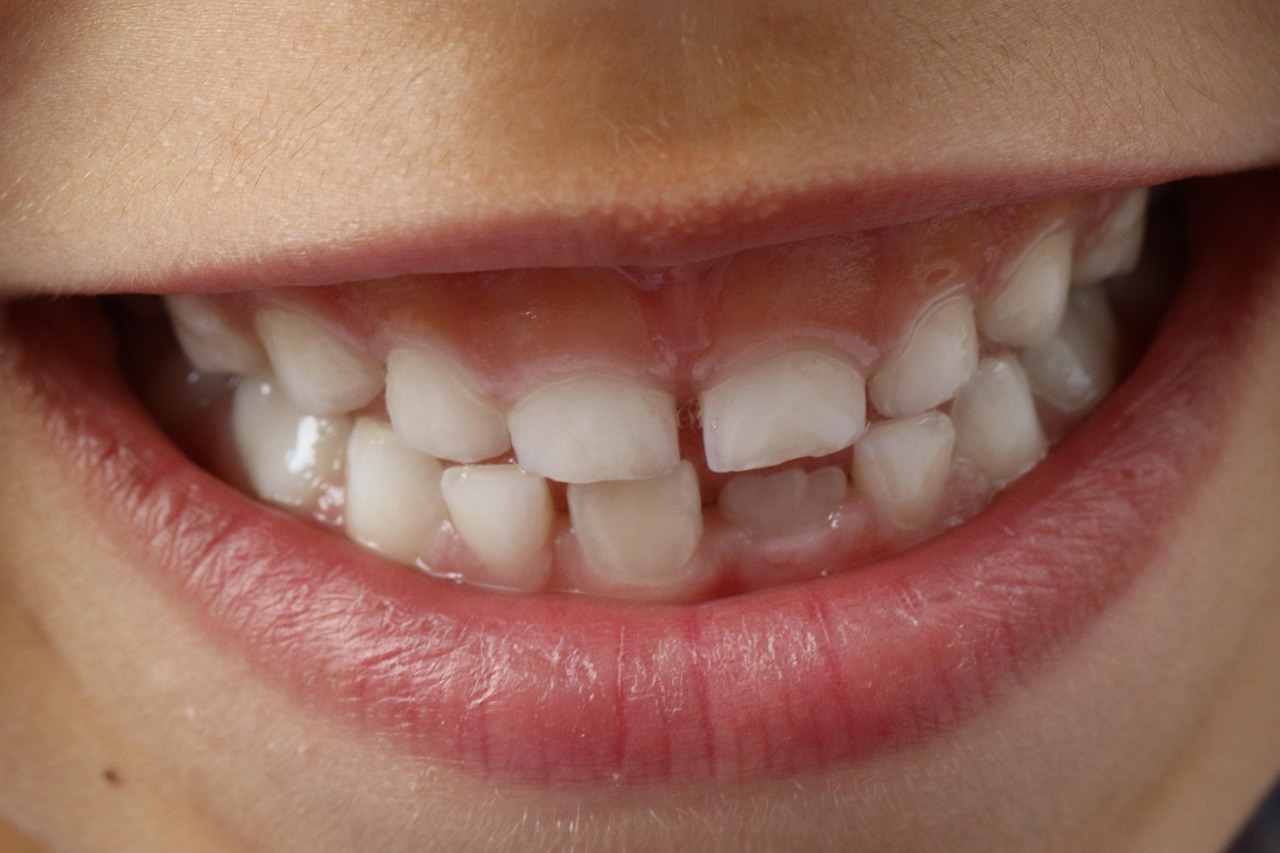
A completely knocked-out permanent tooth is a dental emergency. Prompt assessment may improve the chance of saving it, but the outcome depends on factors such as the injury, how the tooth is handled, and how quickly treatment begins. The American Association of Endodontists advises seeking dental care immediately, ideally within about 30 minutes. https://www.aae.org/patients/dental-symptoms/knocked-out-teeth/
Take these steps while arranging urgent care:
Find the tooth: Handle it carefully and avoid touching the root.
Hold it by the crown: The crown is the visible white part of the tooth.
Rinse gently if needed: If the tooth is dirty, gently rinse it with milk or saline if available. Do not scrub it or use disinfectants.
Keep it moist: If you cannot safely place it back in its socket, store it in milk or an appropriate tooth-preservation solution while seeking help.
Contact a dental provider immediately: Tell them a permanent tooth has been knocked out and explain when the injury happened.
If you are comfortable doing so and the tooth is a permanent tooth, some dental first-aid guidance recommends gently placing it back into its socket without touching the root. Do not force it into place. If the tooth is a baby tooth, do not attempt to reinsert it because doing so may harm the developing permanent tooth. https://www.mouthhealthy.org/dental-care/dental-emergencies
Do not wait for pain to develop before seeking care. Do not postpone treatment while waiting for a connection service's operating hours; go directly to an available dentist or emergency facility. If there is a serious head or facial injury, loss of consciousness, difficulty breathing or swallowing, or uncontrolled bleeding, seek emergency medical care immediately.
How to Handle and Transport the Tooth Safely
The way you handle a knocked-out tooth can affect whether it can be replanted. The root surface contains delicate tissues that are important for successful reattachment, so avoid touching, rubbing, scraping, or drying the root.
If the tooth cannot be placed back into the socket safely, keep it moist while traveling to urgent dental care. Milk or a tooth-preservation solution may be suitable options. Saliva may also be used in certain circumstances, but keeping a loose tooth inside the mouth can create a choking risk, particularly for young children or anyone who is not fully alert.
Avoid storing the tooth in a tissue or allowing it to dry out. Do not use household cleaners, alcohol, peroxide, or other chemicals to clean it.
If you are helping a child, first determine whether the tooth is a baby tooth or a permanent tooth if possible. Do not attempt to reinsert a baby tooth. Contact a dental professional promptly for guidance, even if the child appears comfortable.
While arranging care, you can apply gentle pressure with clean gauze to help control bleeding from the injured area. Avoid manipulating the socket or trying to remove fragments embedded in the gums.
When you contact the dental office, provide the time of the injury, whether the tooth is available, how it has been stored, and whether other injuries occurred. These details help the provider understand the urgency and prepare for your arrival.
What Emergency Treatments May Help Save or Replace the Tooth?
Treatment depends on the tooth's condition, the time it has been outside the mouth, and whether the surrounding bone and tissues have been injured. A dentist will examine the area and may recommend imaging to assess the injury.
1. Replanting the tooth
If the permanent tooth is suitable for replantation, a dentist may place it back into its socket. The tooth may then need to be stabilized with a splint attached to nearby teeth. Follow-up visits are important because the tooth's healing and long-term outlook must be monitored. https://www.aae.org/patients/dental-symptoms/traumatic-dental-injuries/
2. Additional treatment for the injured tooth
A replanted tooth may require further treatment depending on its development, the extent of the injury, and how it heals. The dentist may discuss root canal treatment or monitoring for complications. The precise plan varies from patient to patient.
3. Tooth replacement if the original tooth cannot be saved
If the tooth cannot be replanted successfully or is too damaged, a dentist may discuss replacement options. Depending on the person's age, oral health, and the condition of the surrounding tissues, these may include a temporary removable tooth, a dental bridge, or a dental implant at an appropriate stage.
Not every knocked-out tooth can be saved, and replacement treatment may require several appointments. A dentist can explain the available options, expected timing, and costs after evaluating the injury.
Where to Seek Immediate Help in Bay County
When a permanent tooth is knocked out, the priority is immediate dental or medical assessment—not simply finding a convenient appointment later in the day.
EmergencyDentistPanamaCity.com is a connection service that helps callers locate dental providers in Panama City and surrounding communities. Its published connection-line number is (877) 462-0628. The listed hours are Monday through Friday, 10 a.m. to 7 p.m.; Saturday, 10 a.m. to 6 p.m.; and Sunday, closed.
Because a knocked-out permanent tooth is time-sensitive, do not wait until those hours begin if immediate care is needed. Contact a dentist who can see you promptly or go to an emergency facility if appropriate. The connection service does not guarantee appointment availability.
If you are in Panama City Beach, Lynn Haven, Callaway, Springfield, Parker, or elsewhere in Bay County, explain your location when seeking care. Tell the provider that a tooth has been knocked out, give the approximate time of the injury, and ask where you should go immediately.
If you also have a suspected jaw fracture, serious facial injury, difficulty breathing or swallowing, or uncontrolled bleeding, seek emergency medical care rather than relying on a routine dental appointment.
Act Quickly to Give the Tooth the Best Chance
A knocked-out permanent tooth requires immediate attention. Handle it by the crown, keep it moist if it cannot be placed back in its socket, and seek urgent professional care without delay. Avoid trying to treat the injury yourself beyond basic first aid.
For help locating dental providers in Panama City, FL, visit EmergencyDentistPanamaCity.com or call (877) 462-0628 during its published connection-line hours. For this type of injury, however, do not let the service's operating hours delay urgent care.
Fast action cannot guarantee that a tooth will be saved, but careful handling and prompt professional assessment give the dental team the best opportunity to evaluate the injury and recommend the appropriate treatment.
Disclaimer: This article provides general information only and should not be construed as professional medical or dental advice, diagnosis, or treatment. Always consult with a licensed dentist or healthcare provider regarding any dental emergency or medical condition.
