
Lost a Dental Crown in Panama City, FL? What to Do Next
What to Do Immediately When a Dental Crown Comes Loose
A dental crown can come loose while eating, brushing your teeth, or going about your daily routine. If this happens while you are at work, traveling, or enjoying time around Panama City, Florida, it can be stressful—especially if the exposed tooth feels sensitive or uncomfortable.
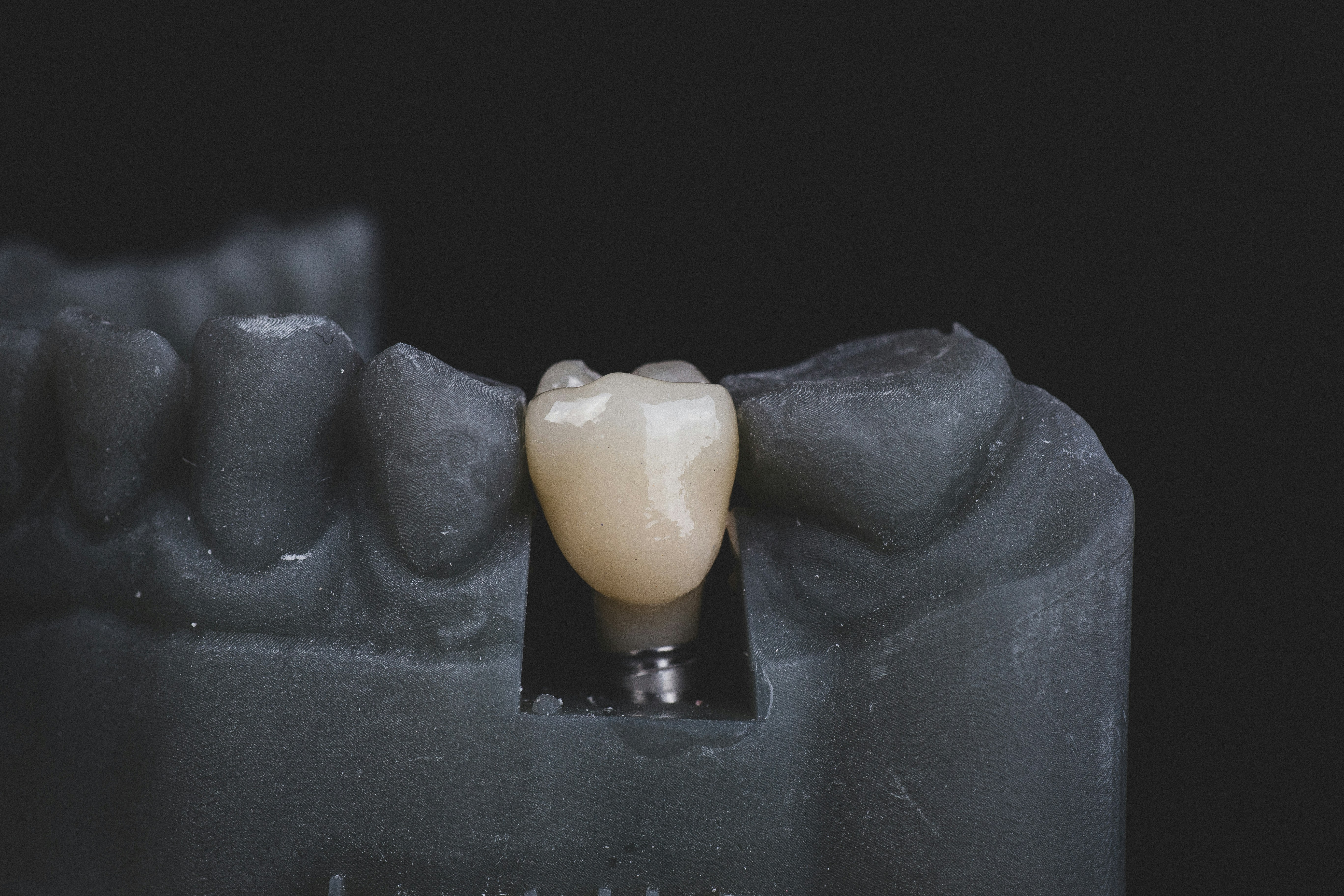
The first step is to stay calm and avoid chewing on the affected side. A crown protects the underlying tooth, so leaving it unaddressed may expose the tooth to additional damage or irritation.
If your crown falls out, follow these steps:
Retrieve the crown: If you can find it, pick it up carefully and place it in a clean container. Bring it to your dental appointment.
Inspect the area gently: Do not poke the exposed tooth or attempt to remove anything that appears stuck.
Keep the area clean: Brush gently around the affected tooth and rinse your mouth with warm water.
Avoid hard or sticky foods: Choose softer foods and chew on the opposite side until a dentist evaluates the tooth.
Arrange a dental assessment: Contact a dental provider to explain what happened and ask how soon you should be seen.
Do not use household glue or other non-dental adhesives to reattach the crown. These products are not designed for oral use and could complicate treatment. Even if the crown appears intact, a dentist should determine whether it can safely be reused.
Could the Exposed Tooth Be at Risk?
The condition of the tooth underneath the crown helps determine how urgently it needs attention. Some people experience little discomfort, while others notice sensitivity to cold, heat, air, or pressure.
Several issues may explain why a crown became loose:
Dental cement failure: The material securing the crown may weaken over time, allowing the restoration to detach.
Tooth decay: Decay developing around the crown's edge can affect the tooth structure and the crown's stability.
A cracked or damaged tooth: Biting on something hard, an injury, or ongoing wear may damage the tooth supporting the crown.
These are possible explanations, not a diagnosis. A dental professional may need to examine the tooth and take X-rays to determine the cause.
Seek prompt dental attention if the exposed tooth has significant pain, sharp edges, swelling, or increasing sensitivity. If you develop facial swelling that affects breathing or swallowing, or experience severe facial trauma or uncontrolled bleeding, seek emergency medical care immediately.
What Emergency Crown Repair Options May Be Available?
The appropriate treatment depends on the condition of both the crown and the underlying tooth. After an examination, a dentist may discuss one of several options.
1. Recementing the existing crown
If the crown is intact and the underlying tooth is healthy enough to support it, the dentist may be able to clean the surfaces and secure the crown again. This option is not suitable for every case, particularly if the crown is damaged or the tooth has changed shape.
2. Repairing or replacing the crown
A cracked, worn, or poorly fitting crown may need repair or replacement. The dentist will consider the extent of the damage, the remaining tooth structure, and the fit of the existing restoration.
3. Treating the underlying tooth
If decay, a fracture, or deeper damage is present, the tooth may need treatment before a crown can be secured. Depending on the findings, options could include a filling or buildup, root canal treatment, or another restorative procedure. In some cases, the tooth may not be suitable for restoration.
A dentist can explain the benefits, limitations, expected timeline, and cost of each recommended option. Do not assume that a loose crown automatically needs replacement—or that it can always be put back in place.
How to Find a Dentist Before Your Trip or Workday
A lost crown can disrupt a busy schedule. Whether you live in Panama City or are visiting nearby communities such as Lynn Haven, Callaway, Panama City Beach, or Mexico Beach, it helps to explain your situation clearly when seeking an appointment.
EmergencyDentistPanamaCity.com is a connection service that helps callers locate dental providers. You can call (877) 462-0628 during its published connection-line hours to ask about options.
The published hours are Monday through Friday, 10 a.m. to 7 p.m.; Saturday, 10 a.m. to 6 p.m.; and Sunday, closed. Appointment availability is not guaranteed, so confirm the details when you call.
When speaking with a provider, explain when the crown came loose, whether you still have it, and whether you are experiencing pain or swelling. Ask whether an appointment is available, what the initial examination may cost, and whether the office accepts your insurance or offers self-pay arrangements.
Until you receive professional guidance, protect the exposed tooth by avoiding hard foods and keeping the area clean. Do not delay care simply because the discomfort is mild; the absence of pain does not confirm that the underlying tooth is healthy.
Protect Your Smile by Acting Promptly
A lost dental crown does not always mean the tooth is permanently damaged, but it should not be ignored. Prompt assessment can help identify the cause, protect the exposed tooth, and determine whether the crown can be reused or needs replacement.
If you need help locating a dental provider in Panama City, FL, visit EmergencyDentistPanamaCity.com or call (877) 462-0628 during the published connection-line hours. Ask about availability and treatment options before traveling to an office.
Disclaimer: This article provides general information only and should not be construed as professional medical or dental advice, diagnosis, or treatment. Always consult with a licensed dentist or healthcare provider regarding any dental emergency or medical condition.
